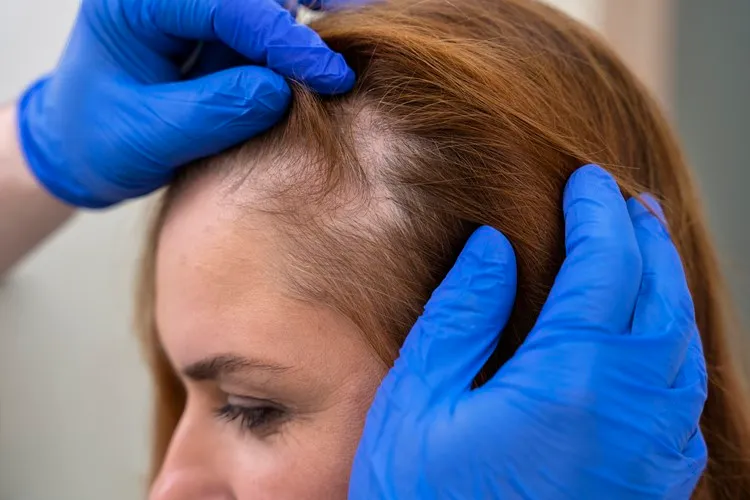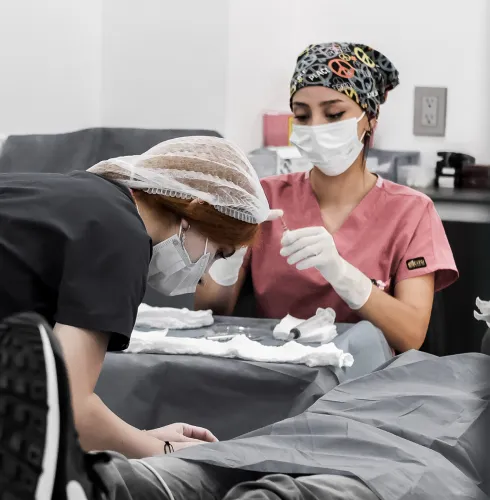
Hair Transplant Recovery Timeline: Week by Week Healing Process
A detailed week-by-week hair transplant recovery timeline explaining healing, shedding, regrowth, pain levels, and when life returns to normal.
Published Updated Reviewed by the Hair in Mexico medical team
One of the biggest concerns before a hair transplant is not the procedure itself, but what comes after.
How painful will recovery be? How long will I look “obvious”? When can I go back to work, exercise, and social life?
This guide walks you through the hair transplant recovery process step by step, with realistic expectations and practical advice.
What to Expect Right After a Hair Transplant
Immediately after the procedure, most patients feel relief rather than pain.
Typical experiences include:
- Mild tightness in the scalp
- Slight swelling in the forehead area
- Redness around the transplanted grafts
Discomfort is usually manageable with basic medication. Severe pain is uncommon. If pain is your main worry, read is a hair transplant painful for a closer look.
The first 24 hours are about rest, hydration, and following instructions carefully.
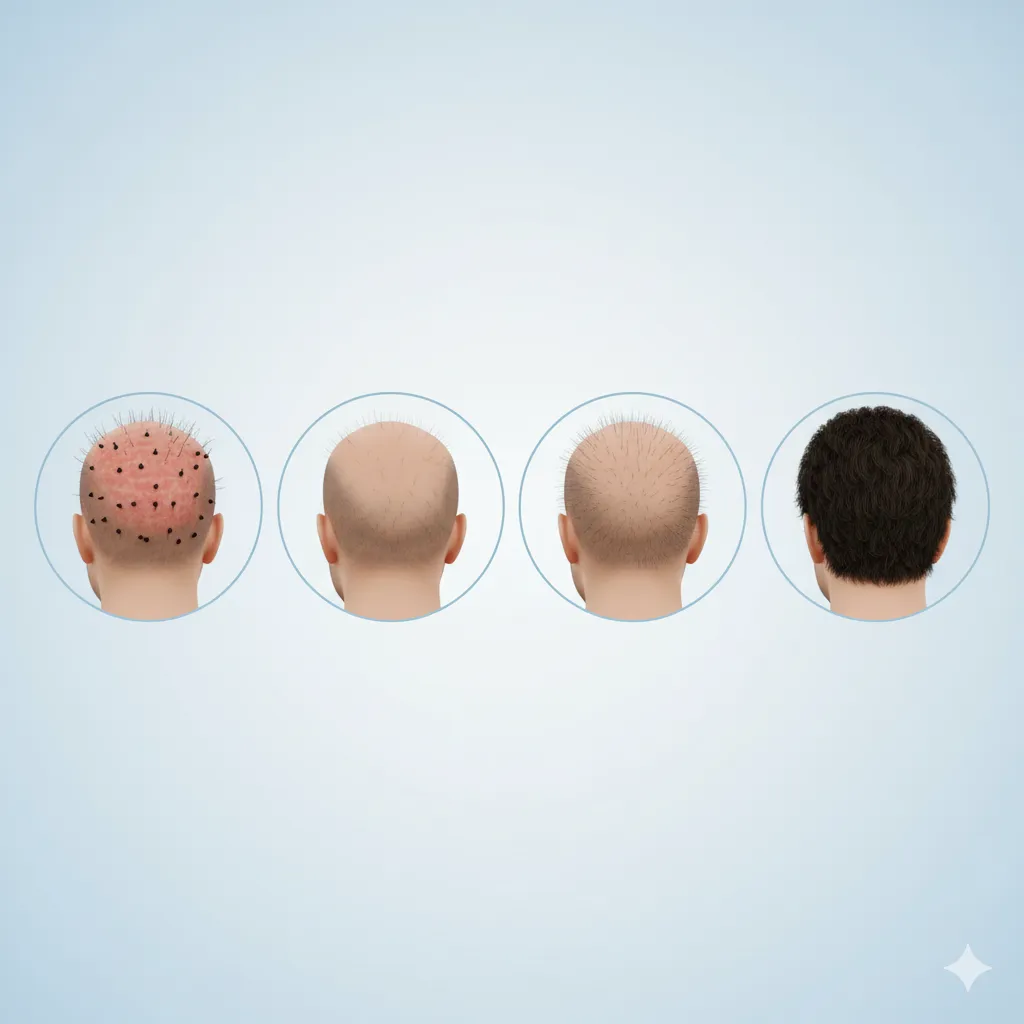
First Week After Hair Transplant: The Critical Healing Phase
The first week is the most delicate period.
During this phase:
- Scabs form around grafts
- Donor area begins closing
- Redness is most visible
You may feel self-conscious during this time, especially in social settings.
This is normal.
The priority is protecting the grafts, not appearance. Any trauma, scratching, or improper washing can affect survival.
Weeks 2–4: Scabbing Ends and Anxiety Begins
By the second or third week:
- Scabs fall off naturally
- Redness starts fading
- The scalp feels more normal
This is also when many patients experience anxiety, because transplanted hairs begin to shed.
This shedding phase is expected and temporary. The follicles remain alive beneath the skin.
Understanding this stage prevents unnecessary panic.
Months 2–3: Shedding Phase and Psychological Stress
Months two and three are often the most emotionally challenging.
Visually:
- Hair may look thinner than before surgery
- Growth seems slow or absent
This leads some patients to worry that the transplant failed.
In reality, this phase is part of the biological hair cycle. Patience here is critical.
Months 4–6: Early Growth and Visible Improvement
Around month four:
- New hair starts emerging
- Texture may be thin or uneven
- Growth is gradual, not dramatic
By month six:
- Visible improvement becomes noticeable
- Hair begins contributing to coverage
This is when confidence slowly returns.
Months 6–12: Maturation and Final Results
From month six onward:
- Hair thickens
- Texture improves
- Density becomes more balanced
By month twelve:
- Results are considered close to final
- Hair can be cut, styled, and treated normally
Some patients continue to see subtle improvements up to 15 months. To know what a realistic end result looks like, see before and after hair transplant results.
When Can You Return to Work, Exercise, and Normal Life?
Most patients:
- Return to desk work within a few days
- Resume light activities after 1–2 weeks
- Return to full exercise after 3–4 weeks
Social comfort often returns once redness fades, usually within 10–14 days.
Exact timelines vary by individual and procedure extent.
What Is Normal During Recovery and What Is Not?
Normal recovery signs include:
- Temporary redness
- Shedding of transplanted hair
- Mild itching or tightness
Warning signs that require medical advice:
- Severe pain or swelling
- Signs of infection
- Persistent bleeding
Knowing the difference helps avoid unnecessary worry.
Final Guidance: How to Approach Hair Transplant Recovery Realistically
Recovery is not just physical. It is also psychological.
The most satisfied patients:
- Understand the timeline in advance
- Accept temporary discomfort
- Focus on long-term results, not daily changes
Hair transplant recovery is a process, not an event.
Approach it with patience, and the results will follow. For the full long-term picture, read does a hair transplant really work, or see how we plan hair transplants for men and for women.
If you have questions about your own recovery plan, book a free consultation with our medical team.