How is a beard line designed?
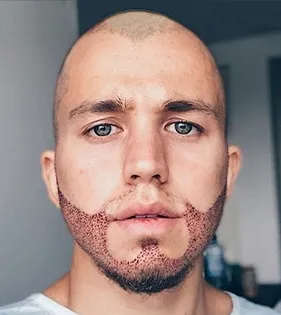
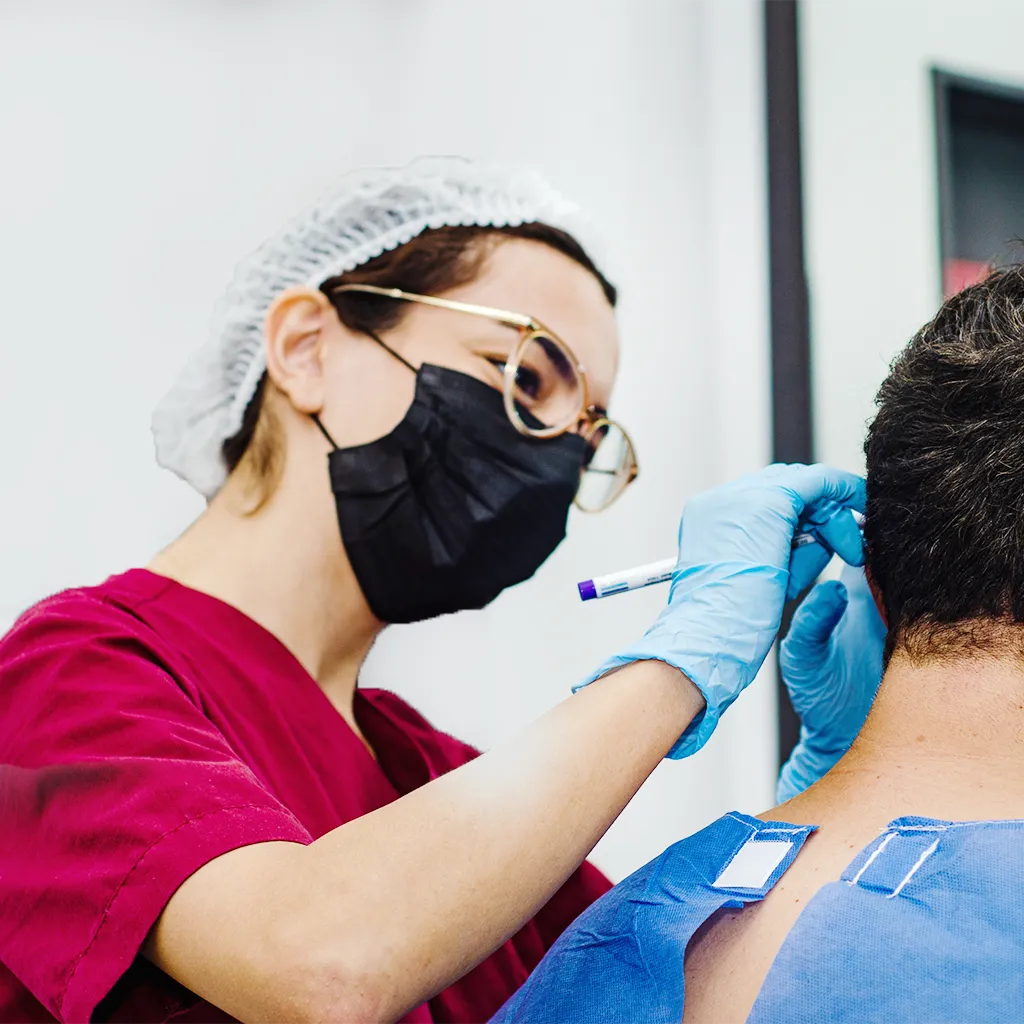
A beard line is designed by marking where your beard should start and stop on each part of the face. The team draws it on your skin at the clinic and adjusts it with you before any graft is taken. Four lines shape most beards:
- The cheek line: the upper edge of the beard on the cheek. A higher line looks fuller; a lower, cleaner line looks sharper.
- The neckline: where the beard ends under the jaw.
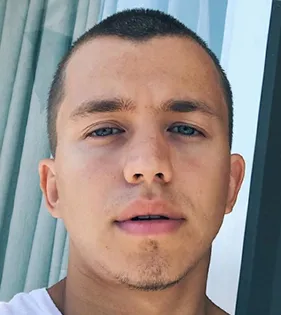
- The moustache and its connection to the chin: gaps at the corners of the mouth are one of the most common reasons men ask for a beard transplant.
- The sideburns: the join between scalp hair and beard.
Design is also about symmetry. Few faces are perfectly even, so the line is adjusted to look balanced rather than copied mirror-image from one side to the other.
How are patchy areas filled?
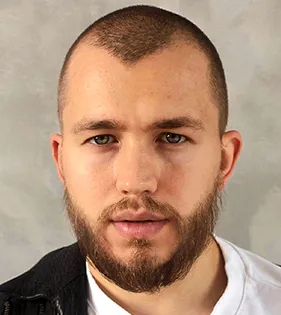
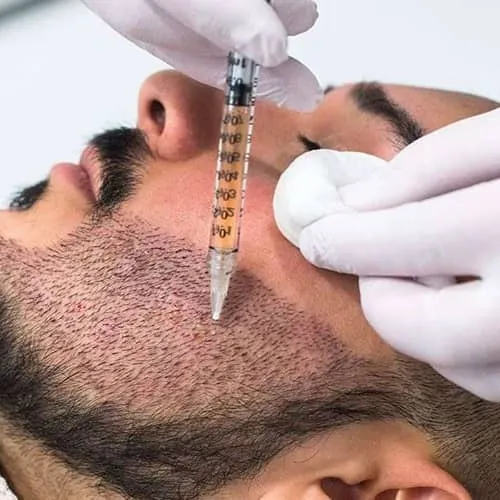
Patchy areas are filled by placing grafts into the bare skin between your existing beard hairs. This is different from building a beard from nothing, because the new hair must match the direction and density of the hair already there.
Beard hair grows at a very shallow angle and changes direction across the face: downward on the cheeks, outward along the jaw, and forward and down on the chin. Grafts placed at the wrong angle stand out. Implanting each graft along that natural direction is what makes a transplanted beard read as your own. DHI’s pen-like implanter is often used for this kind of precise placement; our FUE vs DHI guide explains the difference.
What happens on procedure day?
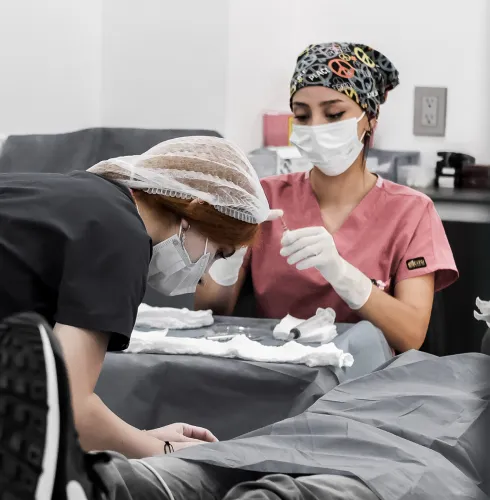
Procedure day starts at the clinic in Cancun with your beard line confirmed in person. The donor area, usually at the back of the scalp, is trimmed short, and both the donor area and the face are numbed with local anaesthesia. Most patients describe pressure rather than pain.
Follicles are extracted one by one, sorted, and implanted into the beard area. Afterwards you go back to your hotel with medication and written instructions, and the clinic sees you again before you fly home.
What is the shaving and healing timeline?
Beard recovery is visible but usually quick. A general timeline, which your own instructions will adjust:
- Days 1 to 7: small red dots and light crusting on the face. Keep the area dry and untouched as instructed, and avoid sleeping face-down.
- Days 7 to 10: crusts fall off and redness fades. Most men feel comfortable back at work around this point.
- Around 2 weeks: gentle trimming with scissors is usually allowed.
- Weeks 2 to 6: many transplanted hairs shed. This is expected; the follicle stays under the skin.
- Around 1 month: shaving with a razor or clippers is usually allowed again.
- Months 3 to 6: new beard hair starts to grow and fills in.
- Around 9 to 12 months: the result is close to final.
Our team follows your progress on WhatsApp after you fly home.
Can the beard and the scalp share one donor area?
The beard and the scalp share one donor area, and that is the main thing to plan around. If you also expect to want a hair transplant for your hairline one day, the team will take that into account when deciding how many grafts to use for the beard. The same thinking applies if you are considering an eyebrow transplant. Send your photos for a free assessment and the team will tell you what your donor area can support.