Is Hair Transplant Painful? Pain Levels During and After the Procedure
Wondering if a hair transplant is painful? Learn what pain to expect during and after the procedure, how long it lasts, and how it's managed.
Published Updated Reviewed by the Hair in Mexico medical team
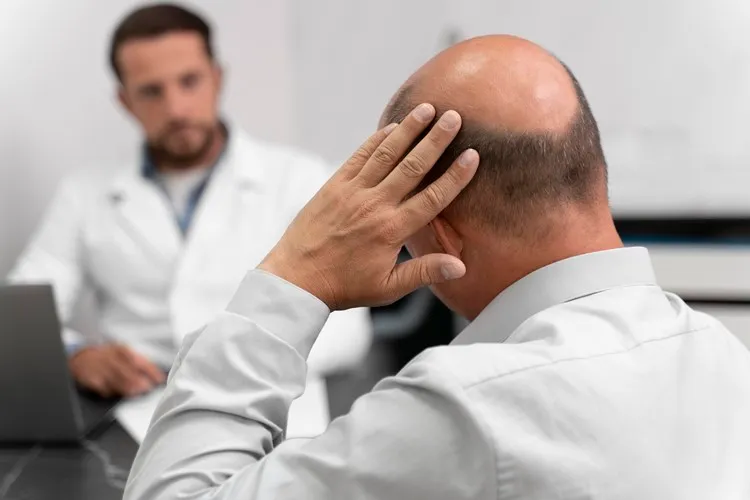
Fear of pain is one of the main reasons people put off a hair transplant or avoid it altogether. Even patients who feel confident about the results often hesitate because they picture severe pain during or after the procedure. In practice, it is far more manageable than most people expect.
This guide explains which kinds of discomfort are normal, which are not, and how pain is controlled throughout the process.
Why pain is the biggest fear before a hair transplant
A hair transplant involves needles, work on the scalp and long procedure times, so some anxiety is natural. Much of the fear, though, comes from outdated information, exaggerated stories online and confusing discomfort with pain.
Modern hair transplant techniques are designed to keep pain to a minimum at every stage.
Does hair transplant hurt during the procedure?
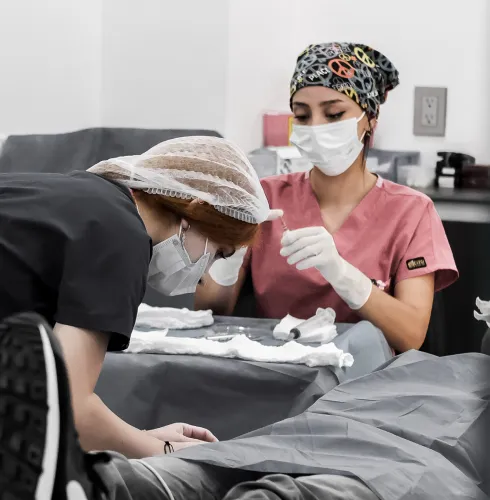
For most patients, very little. The procedure is performed under local anesthesia. You may feel brief discomfort while the anesthetic is injected, and some pressure or movement as the work goes on. Once the anesthesia takes effect, pain is minimal or absent and most people feel only mild pressure.
Many patients are surprised by how comfortable the procedure turns out to be.
Pain levels after hair transplant: what is normal?
After the procedure, pain is usually mild. The donor area tends to feel tight, the scalp may be a little sore and it can be sensitive to the touch. Basic pain medication typically keeps these sensations under control, and they ease within a few days.
Pain during recovery: first week vs following weeks
Mild discomfort is most noticeable in the first few days, and swelling can add a feeling of pressure. After the first week, pain drops off significantly and the sensitivity gradually fades.
By the second week, most patients no longer need pain medication. For a full picture of what happens day by day, see our hair transplant recovery timeline, week by week.
How long does hair transplant pain last?
For most patients, mild discomfort lasts 2–3 days and sensitivity may last up to a week. Persistent or severe pain beyond that is uncommon and should be checked.
The pain is short compared with the overall recovery, and with the months it takes for results to show. Our guide on whether hair transplants really work explains that longer growth timeline.
What affects pain levels from person to person?
How much pain you feel depends on your own pain tolerance, the size of the treated area, the density of the donor area, the surgical technique and your post-operative care. That is why experiences differ, even when the procedures are similar. If you are comparing techniques, our article on FUE vs DHI covers how each one is performed.
Pain management: what actually helps
What helps most is proper anesthesia, the pain medication you are prescribed, sleeping with your head elevated, avoiding physical strain and following your aftercare instructions. Patients who ignore the aftercare guidelines often end up with more discomfort than they needed to have.
When pain is not normal and needs attention
Pain should not get worse after several days, come with severe swelling or redness, or show signs of infection. If any of these happen, get medical advice promptly.
Final reassurance: how painful is a hair transplant really?
For most people, a hair transplant is far less painful than they expected. The discomfort is temporary, and the results are long-term.
Knowing what is normal takes away a lot of unnecessary fear and lets you focus on your recovery and your results. You can learn more about how we approach the procedure on our hair transplant for men and hair transplant for women pages.
If you have questions about comfort or recovery, contact us for a free consultation with our medical team.