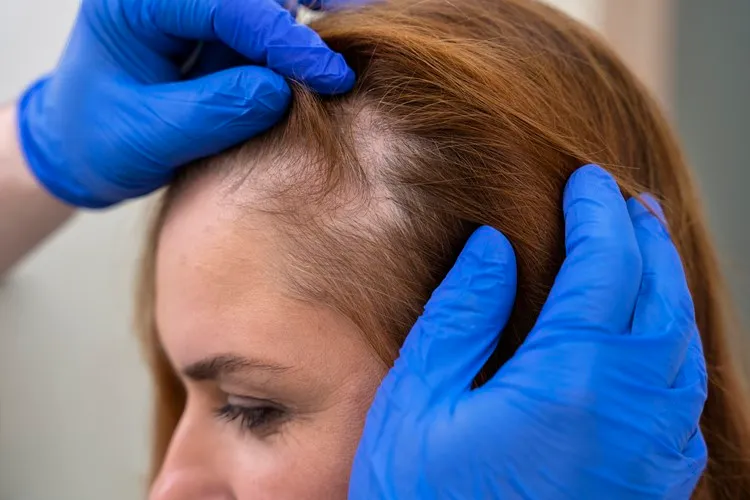
How Long Does a Hair Transplant Last? Permanent or Temporary Results Explained
Learn how long a hair transplant really lasts, whether results are permanent, what affects longevity, and if future hair loss can still happen.
Published Updated Reviewed by the Hair in Mexico medical team
One of the most common and important questions people ask before a hair transplant is simple:
How long does a hair transplant last?
Is it permanent, or will the hair fall out again after a few years?
The honest answer is: transplanted hair is permanent, but your overall hair situation still changes over time.
In this guide, we will explain:
- Whether hair transplants are truly permanent
- What happens to transplanted vs. natural hair
- If multiple procedures are ever needed
- How to protect your results long-term
This article focuses on facts, not promises.
Is a Hair Transplant Permanent or Temporary?
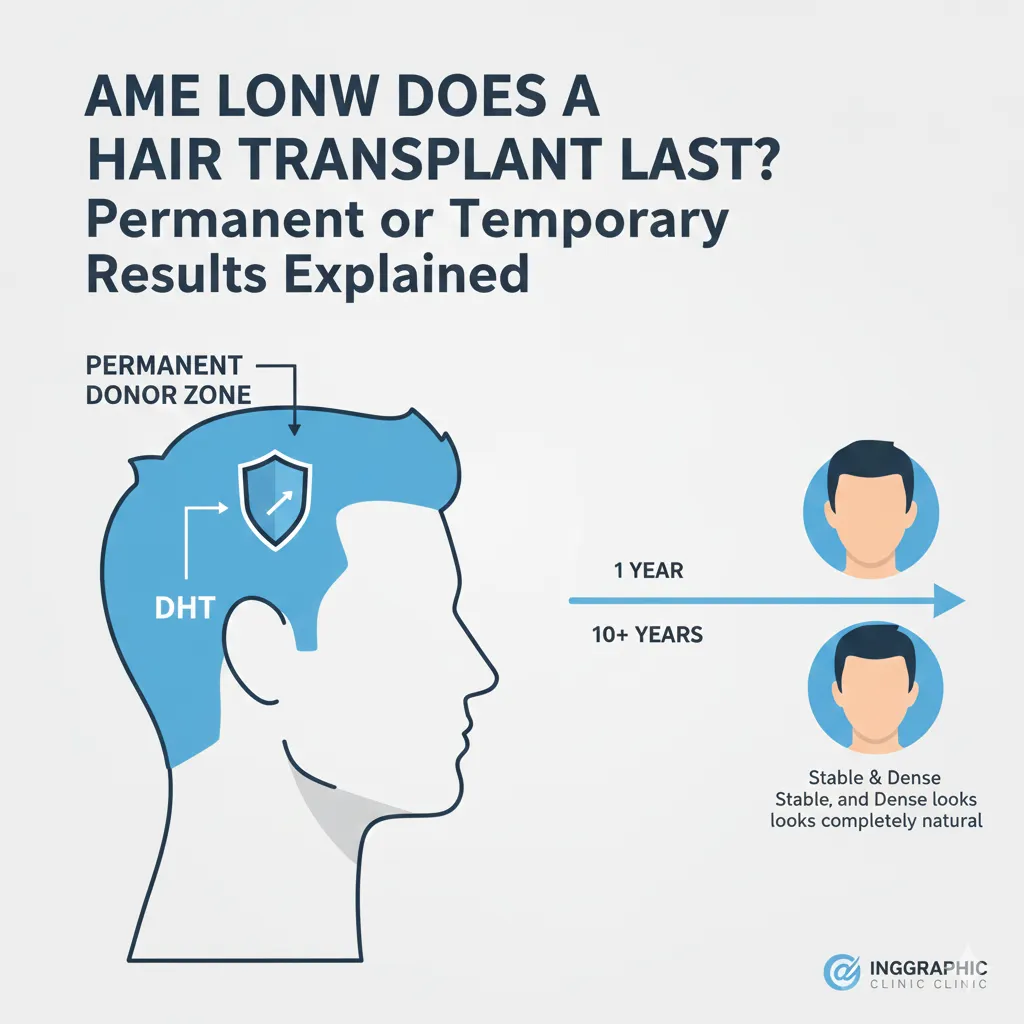
A hair transplant is considered a permanent solution because it uses hair follicles that are genetically resistant to hair loss.
These follicles are taken from the donor area, typically the back and sides of the scalp, where hair is not affected by male pattern baldness.
Once transplanted:
- The follicles keep their original genetic resistance
- They continue growing hair for decades
- They behave like normal hair in the new area
So yes, the transplanted hair itself is permanent.
How Long Do Transplanted Hair Follicles Actually Last?
In most cases, transplanted follicles last for the rest of your life.
After the initial healing and growth phases:
- Hair grows in normal cycles
- You can cut, shave, and style it
- It does not suddenly “expire” after a few years
Clinical data and long-term patient follow-ups show that well-placed grafts remain active for decades when the procedure is done correctly.
Longevity is not about time. It is about quality of execution.
Can Transplanted Hair Fall Out Again?
This is where confusion often happens.
Transplanted hair can:
- Shed temporarily during the first 1–3 months (shock loss)
- Thin slightly with normal aging, just like all hair
But it does not fall out permanently due to pattern baldness. If the early shedding phase worries you, our week-by-week recovery timeline explains what is normal.
If transplanted hair is lost permanently, it is usually due to:
- Poor surgical technique
- Damaged follicles during extraction or placement
- Infection or poor post-operative care
When done properly, permanent loss of transplanted hair is rare.
What Happens to Your Natural Hair Over Time?
This is the most important part many clinics fail to explain.
A hair transplant:
- Restores hair where follicles were placed
- Does not stop hair loss in untreated areas
Your natural, non-transplanted hair can continue thinning over time.
This is why some people say:
“My transplant lasted, but I still lost more hair later.”
That statement is usually true and expected.
Do You Need More Than One Hair Transplant in a Lifetime?
Some people need only one procedure. Others may need more.
You may need a second session if:
- Hair loss continues significantly
- You want higher density later
- You started transplanting at a young age
This does not mean the first transplant failed. It means hair loss is progressive. Timing matters here, which is why we wrote a separate guide on the best age for a hair transplant.
A responsible clinic plans for:
- Conservative hairline design
- Donor area preservation
- Long-term hair loss patterns
One procedure should never compromise your future options.
What Factors Affect How Long a Hair Transplant Lasts?
Several factors influence long-term success:
- Strength and density of the donor area
- Surgeon experience and graft handling
- Natural progression of hair loss
- Age at the time of surgery
- Post-operative care and lifestyle
Technique matters, but planning matters even more. If you are weighing techniques, see FUE vs. DHI: which one is better for you.
How to Make Hair Transplant Results Last Longer
To protect your results long-term:
- Follow post-op instructions carefully
- Avoid aggressive hairline designs
- Monitor ongoing hair loss
- Consider medical support if recommended
- Choose experience over price
A hair transplant is an investment. Treat it like one.
Final Answer: How Long Does a Hair Transplant Really Last?
The transplanted hair lasts a lifetime.
However:
- Hair loss is progressive
- Natural hair may continue thinning
- Long-term planning is essential
A successful hair transplant is not just about today’s result, but how it looks 10–20 years from now.
Planning a Hair Transplant for Long-Term Results
Before committing to any procedure:
- Ask how your future hair loss is being planned
- Understand donor limitations
- Focus on natural, age-appropriate results
The best hair transplants are the ones that still look good years later. You can learn how we approach long-term planning on our hair transplant for men and hair transplant for women pages, or contact us for a free consultation and our specialists will review your case.